
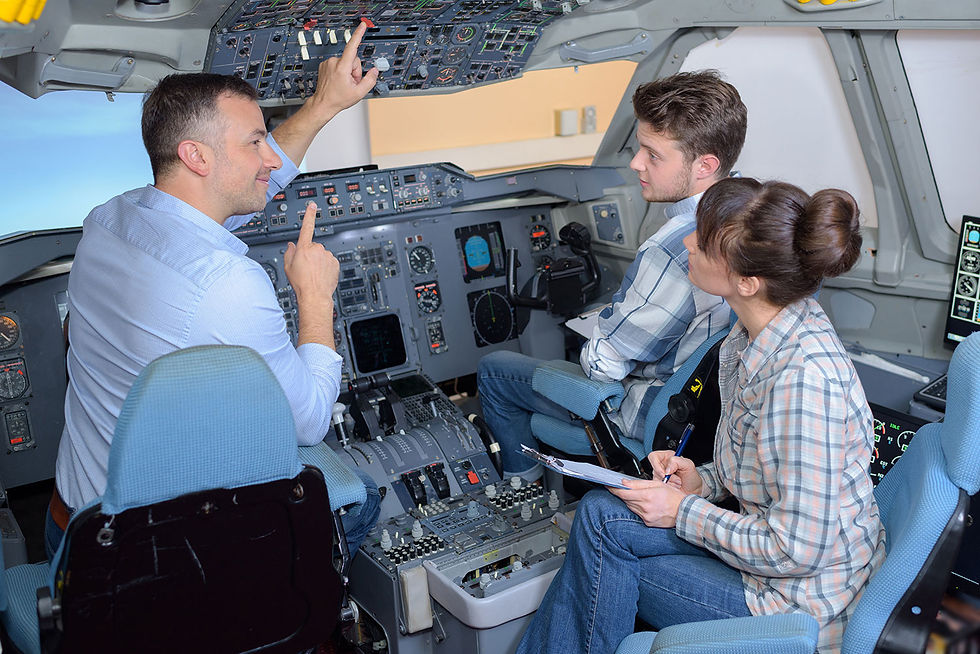

Train to Become a Certified Flight Instructor
The Flight Instructor Rating prepares licensed pilots to teach others through effective demonstration, communication and evaluation. This program focuses on instructional techniques, safety management, lesson planning and in flight demonstration of manoeuvres. Becoming a flight instructor is one of the most respected and rewarding pathways in aviation and provides an excellent opportunity to build hours toward advanced career goals. Students learn how to guide new pilots from foundational exercises to complex procedures with confidence and professionalism.
Accelerated Hour Building
Flight instruction provides consistent flying hours while improving personal technique and precision.
Enhanced Flying Skills
Teaching others reinforces strong habits, improves confidence and sharpens decision making.
Professional Career Path
Instruction is a recognized step toward charter, corporate and airline roles.
At IPA, we offer proffessional instructors to work with us on our Charter operation.
Industry Recognition
Certified instructors are respected for their leadership, safety mindset and technical expertise.
Training Breakdown, Equipment and Requirements
Training Steps
Introduction to instructional techniques and learning principles
Ground instruction delivery and effective communication skills
In flight demonstration of basic and advanced manoeuvres
Error analysis and corrective instruction methods
Student evaluation and training progress assessment
Lesson planning and briefing structure
Preparation for Transport Canada written and flight tests
Program Requirements
30 hours of dual flight training
25 hours of Ground training
5 hours of Instrument time (included in dual training)
Recommended 5 hours solo training from the right seat
Admission Requirements
Valid Commercial Pilot License
Current medical certificate - Class 1
Strong understanding of aircraft handling and safety procedures - CPL Knowledge
Comfort delivering instruction and communicating clearly
Program Details
Duration: Delivered through a combination of ground instruction workshops and in flight training sessions
Scheduling: Flexible training windows with availability for domestic and international students
Availability: We have 3 Class 1 instructors available to complete your training in ana effective manner

Expected Outcomes
Teach new pilots safely and effectively during flight and ground lessons ( PPL,CPL and ratings)
Demonstrate manoeuvres with clarity and precision
Identify student errors and provide corrective guidance
Conduct structured pre flight and post flight briefings
Build professional flying hours while developing leadership skills
Qualify for entry level instructional positions at flight schools
FREQUENTLY ASKED QUESTIONS
Do international students qualify
Yes. International students can enroll for CPL or iATPL courses and receive guidance on eligibility requirements.
Can I upgrade to a Private Pilot License later
Yes. Many pilots begin with the Recreational Permit and continue on to pursue more advanced certifications.
Is this program good for beginners
Yes. The Recreational Permit is often chosen by first time flyers who want a relaxed introduction to aviation.
What is the difference between a Recreational Permit and a Private Pilot License
The Recreational Permit has fewer training requirements and limits pilots to flying smaller aircraft with one passenger, while the Private Pilot License allows greater flexibility and privileges.
The Private Pilot licence also allows you to upgrade to various ratings including Night, IFR and Multi after.
Can international students enroll in this program
Yes. The academy supports international applicants for CPL/IiATPL and provides guidance on eligibility and enrollment requirements.
Do I need to complete Ground School
Yes. Ground School is required before attempting the Transport Canada written exam.
How is the PPL different from the Recreational Permit
The PPL offers greater privileges including the ability to carry more passengers, fly larger aircraft and travel long distances.
PPL also provides the opportunity to upgrade to various rating including Night, IFR and Multi engine.
Is previous flying experience required
No. The Private Pilot License program is designed for individuals with no prior flight experience.
How long does the Night Rating take
Training time varies based on weather, aircraft availability and student's proficiency level.
Average is about a week's time.
Does night flying count toward future training
Yes. Night flight experience supports progression into Instrument Flight Rules and Commercial licensing.
Is night flying difficult for new pilots
With proper instruction and briefing, pilots adjust quickly and develop strong confidence in night procedures.
Do I need a Private Pilot License before starting
Yes. A Private Pilot License is required before beginning night flight training
Which aircraft does IPA use for Multi Engine training
Training typically is done on the Navajo PA31. The 2 crew environment and complete Ground school enables pilots to complete the rating quicker
Does this rating help with airline applications
Yes. Multi engine experience is one of the key requirements for professional pilot roles and airline interview readiness.
Is Multi Engine training difficult
It is challenging but highly rewarding. With structured instruction, pilots learn to manage the workload and performance differences with confidence.
Do I need a Commercial License before training
No. A Private Pilot License is the minimum requirement, but most pilots pursue this rating during Commercial training.
Will this program improve my chances in airline evaluations
Yes. MCC plus JOT provides structured training in teamwork, procedures and decision making which airlines actively assess. This is also completed by ACTIVE airline pilots.
Do I need multi engine experience before enrolling
It is recommended to ensure students can handle the pace and demands of a high workload simulator environment.
Is MCC plus JOT required for airline applications
Most airlines expect pilots to hold MCC plus JOT before being considered for entry level roles or simulator evaluations.
Who should take MCC plus JOT
Pilots entering commercial or airline bound pathways who need multi crew and jet orientation experience for recruitment and screening.
Do I need flying experience before joining the IATPL program
No. The program is designed for students with little or no flying experience.
Is the IATPL program full time
Yes. Training takes place over two years and requires full time commitment.
Does the program include multi crew and advanced airline simulations
Yes. MCC, CRM and LOFT training are included to prepare students for airline operations.
Is the program open to international students
Yes. Students from outside Canada can apply, but may require a study permit depending on their citizenship and situation.
How much simulator time is included
The program includes significant simulator training to build skills before applying techniques in aircraft. However, all the training can be completed in an aircraft as well
Does IFR training help with airline careers
Yes. IFR certification is required for commercial operations and is foundational for airline pilot readiness.
Is IFR training difficult
It is one of the most challenging ratings, but with structured instruction pilots develop strong precision and confidence.
Do I need a Night Rating before IFR training
It is strongly recommended. Night flying experience supports better understanding of instrument procedures and low visibility operations.
Is this program suitable for international students
Yes. Online options and year round availability make it accessible for students outside Canada.
How long does Ground School take
Duration varies depending on format, with accelerated options available for faster completion.
Is the Ground School offered online
Yes. International Pilot Academy offers online and in person formats to support different learning preferences.
Do I need Ground School before starting flight training
Ground School is required before writing Transport Canada exams and supports better performance in flight training, though some students begin flying while studying.
What aircraft will I use during training
Training is conducted using the academy’s primary training fleet: selected based on manoeuvre and lesson requirements.
Is teaching experience required
No. All instructional methods and communication techniques are taught during the program.
Will this help me build hours for airline applications
Yes. Flight instruction is one of the most efficient ways to build high quality flying hours
Do I need a Commercial Pilot License to become an instructor
Yes. A valid Commercial Pilot License is required before beginning instructor training.
Do I need a Private Pilot License before starting the CPL
Yes. A valid PPL is required before enrolling in Commercial Pilot training. However, the CPL program starts with PPL training so the student can begin with zero experience.
Is the CPL program open to international students
Yes. International applicants are welcome and may need to meet additional entry requirements based on their immigration status.
How long does it take to complete the CPL
Training duration varies based on flight frequency, weather and student availability. Many students complete requirements at a steady and consistent pace through planned scheduling.
Approximately 2 years is the completion standard we are hoping for a full time student
What exams are required
Students must pass a Transport Canada written examination and a commercial flight test to earn their license.
Do I need special equipment
All required safety gear is provided and aircraft are equipped for aerobatic flight.
Will aerobatics improve my general flying
Absolutely. Aerobatic pilots demonstrate higher awareness, better control and stronger confidence in emergency situations.
Is aerobatic flying safe
Yes. Training is conducted in approved aerobatic aircraft with certified instructors and strict safety procedures.
Do I need aerobatics experience before starting
No. The program is designed for licensed pilots with basic handling proficiency and builds skills progressively.


